Test package information
Blood Lipid Quantification – Cholesterol, Triglycerides, HDL, LDL, Cholesterol/HDL Ratio:
– Measures total fat, “good” fat, and “bad” fat in the blood, helping to assess lipid metabolism disorders.
– Screens for the risk of atherosclerosis, which can lead to cardiovascular diseases such as thromboembolism, myocardial infarction, stroke, etc.
Blood Lipid Quantification – Cholesterol, Triglycerides, HDL, LDL, Cholesterol/HDL Ratio:
– Measures total fat, “good” fat, and “bad” fat in the blood, helping to assess lipid metabolism disorders.
– Screens for the risk of atherosclerosis, which can lead to cardiovascular diseases such as thromboembolism, myocardial infarction, stroke, etc.
Diabetes Screening – Glucose, HbA1c:
– Glucose represents blood sugar level at the time of sampling, HbA1c reflects the average blood sugar index over the past 2-3 months.
– Checking and monitoring blood sugar levels helps screen, diagnose and monitor treatment of diabetes.
– For diabetics: provide information for doctors to adjust treatment goals and better control blood sugar levels for patients.
Liver enzyme test – AST, ALT, GGT + Liver function assessment – Bilirubin GT, Albumin:
– Assess liver condition and extent of liver damage.
– Detect liver and bile dysfunction.
– Support diagnosis, monitor treatment progress and treatment response for clinical diseases related to the liver and bile.
Hepatitis B Screening – HBsAg, Anti-HBs:
– HBsAg: Hepatitis B virus surface antigen. This is the initial and most basic test to detect whether or not someone is infected with the hepatitis B virus.
– Anti-HBs (HbsAb): Hepatitis B virus surface antibody. This test assesses the level of antibodies against the hepatitis B virus in the body. The person being tested will use this result to determine whether or not they need vaccination.
Hepatitis C Screening – Anti-HCV: A test to detect whether or not you are infected with the hepatitis C virus.
Comprehensive assessment of kidney function – Creatinine, Urea, Electrolytes (Na/K/Cl):
– Creatinine, Urea: Assess kidney function, measure glomerular filtration rate, support diagnosis and monitor treatment effectiveness for kidney diseases.
– Electrolytes (Na/K/Cl): Measure important ions such as Na+, K+, Cl- to assess electrolyte imbalances and support diagnosis of kidney diseases.
Gout Screening – Uric Acid: Measuring blood uric acid concentration is important in monitoring and diagnosing gout. Uric Acid index test combined with Creatinine test and Total urinalysis also supports the diagnosis of kidney stones.
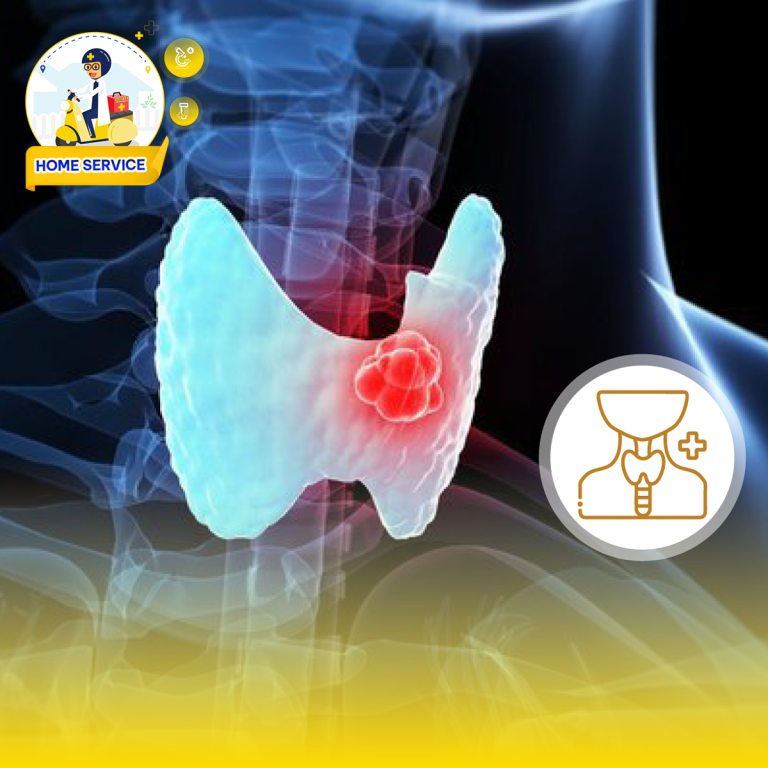
Thyroid function screening – FT3, FT4, TSH:
– Determines the level of thyroid activity through the quantification of thyroid-stimulating hormone (TSH) and thyroid hormones FT3 and FT4.
– Early detection of thyroid diseases, including hyperthyroidism (cravings, weight loss, intolerance to hot weather, rapid heartbeat, anxiety, difficulty sleeping), hypothyroidism (hypothermia, decreased metabolism, slow growth, slow heart rate, decreased physiological needs, depression), thyroiditis, thyroid cancer.
– Helps monitor the effectiveness of treatment of thyroid diseases.
Diagnostic tests for iron deficiency anemia – Iron, Ferritin
– Ferritin: measures the body’s iron reserves. A decrease in this level indicates anemia and reduced iron reserves. Conversely, an increase in ferritin may indicate iron overload or hemolytic disease.
– Iron (serum iron): measures the current iron level. Low serum iron indicates reduced iron absorption and iron-deficiency anemia.
hs-CRP:
Hs-CRP stands for high-sensitivity C-reactive protein, a blood test to measure the concentration of CRP protein (produced by the liver). This concentration can be elevated when the body is inflamed. The hs-CRP test is used to assess the risk of cardiovascular disease and to detect inflammatory diseases early.
MICRONUTRIENT TESTING
– Vitamin B12 plays a vital role in many bodily functions, including blood cell production, nerve function, and cell growth. Low levels of vitamin B12 can lead to health problems such as anemia, numbness, and nerve damage. A B12 test can help detect problems related to this vitamin early and help doctors determine appropriate treatment.
TP Protein Index Test:
– Assesses the body’s nutritional status.
– Evaluates inflammation, autoimmune conditions, etc.
– Screens for clinical diseases such as liver and kidney diseases.
– Total Calcium (TP) Test:
Determines the total calcium concentration in serum, helping to initially assess calcium disorders in the blood: Hypercalcemia (Hyperparathyroidism, cancer, vitamin D toxicity); Hypocalcemia (Hypoparathyroidism, vitamin D deficiency, renal failure).
Complete urinalysis:
– Screens for several abnormalities such as protein, blood, white blood cells, bacteria, sugar, etc., helping to detect kidney and urinary tract disorders, including chronic kidney disease, diabetes, stones, and infections.
– Combined with other test results to aid in the diagnosis of cardiovascular diseases, blood pressure, liver diseases, etc.
Liver tumor marker test – AFP:
– The AFP (Alpha-fetoprotein) test is a simple test commonly used for screening and monitoring the progress of cancer treatment, especially liver cancer. However, the AFP test is not a definitive diagnosis and needs to be combined with other tests to reach an accurate conclusion.
– Normal AFP levels do not rule out the possibility of cancer.
Colorectal tumor marker test – CEA:
– CEA is a protein produced by some cancer cells. The CEA test is commonly used for screening and monitoring the progress of cancer treatment, especially colorectal cancer.
– Normal CEA levels do not rule out the possibility of cancer.
Pancreatic tumor marker test – CA 19-9:
– CA 19-9 is a glycoprotein produced by some cancer cells, particularly pancreatic cancer cells. The CA 19-9 test is commonly used for screening, monitoring, and prognostic assessment of certain types of cancer.
– Normal CA 19-9 levels do not rule out the possibility of cancer.
Breast tumor marker CA 15-3 test:
– Elevated CA 15-3 levels in the blood may be present in people with breast cancer.
– Normal CA 15-3 levels do not rule out cancer. This should be combined with imaging studies (ultrasound, mammography, MRI) and biopsy for early screening.
Ovarian tumor marker CA 125 test:
– Elevated CA-125 levels in the blood may be present in people with ovarian cancer, but can also be caused by other conditions (related to menstruation, cardiovascular disease, chronic inflammatory diseases, etc.).
– Normal CA-125 levels do not rule out the possibility of cancer.
Cyfra 21-1 lung tumor marker test:
– Cyfra 21-1 is significant in screening for lung cancer, especially in differentiating lung cancer from other benign lung diseases.
– Normal Cyfra 21-1 levels do not rule out the possibility of cancer.
Stomach tumor marker test – CA 72-4:
– CA 72-4 is a type of tumor antigen, commonly used to detect and monitor the growth of tumors in the body, especially stomach cancer.
– Normal CA 72-4 levels do not rule out the possibility of cancer.
VIP Screening Package (Women)
Index :43
Sex :
Result :
Age group :
Indicators will be checked (43)
Other test packages




















Free Home Sample Collection
×Free sample collection within a 10km radius of Pathlab, and up to a maximum of 15km (additional charge of VND 10,000/km)
Applicable products: All test packages from 350,000 VND
Applicable area: Within Ho Chi Minh City