What is a general blood test?
A complete blood count (CBC) is an important paraclinical method commonly used in routine health checkups as well as in the diagnosis and monitoring of diseases. By analyzing the biochemical components and indicators in the blood, doctors can assess the functioning of many organs in the body such as the liver, kidneys, immune system, circulatory system, and metabolism.
Commonly checked indicators include a complete blood count (red blood cells, white blood cells, platelets), blood glucose, blood lipids, liver enzymes, and some indicators related to kidney function. Although these are basic tests, they are highly valuable in the early detection of many dangerous diseases, even before symptoms become apparent.

What diseases can a general blood test detect?
A complete blood count (CBC) helps assess the components of blood cells, thereby detecting many related diseases. When the number of red blood cells or hemoglobin concentration decreases, patients may have anemia, often due to iron deficiency, vitamin deficiency, or a chronic disease. Conversely, an abnormal increase in white blood cells can be a sign of infection, inflammation, or more serious conditions such as leukemia. In addition, abnormal platelet counts can also warn of clotting disorders or a risk of bleeding.
Diabetes and blood sugar disorders
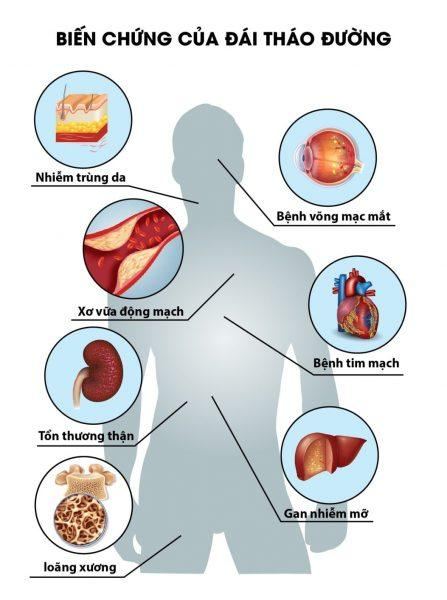
Blood glucose levels can be used to detect diabetes and other metabolic disorders early. Diabetes is a common chronic disease that often progresses silently and has no obvious symptoms in its early stages. If left uncontrolled, diabetes can lead to serious complications such as nerve damage, kidney failure, cardiovascular disease, and vision impairment. Early detection through blood tests plays a crucial role in effective treatment and management of the disease.
Liver diseases
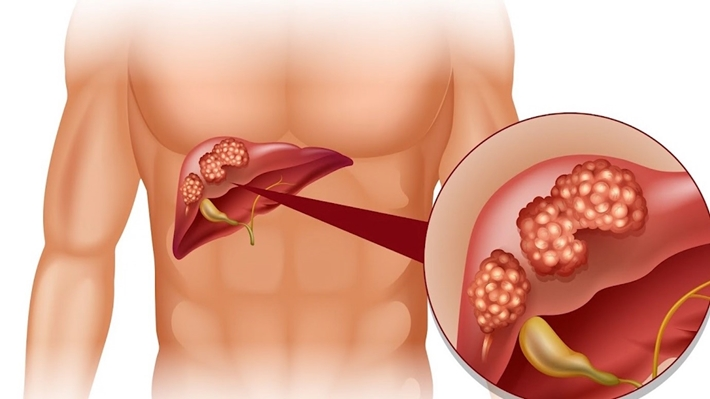
The liver performs many vital functions such as metabolism, synthesis, and detoxification. Liver enzyme levels like ALT, AST, and GGT help assess the extent of liver cell damage. Elevated levels of these enzymes may indicate conditions such as viral hepatitis, fatty liver disease, or liver damage from alcohol and medications. In some cases, blood tests can also help detect early signs of cirrhosis or other chronic liver diseases.
Risk of cardiovascular disease
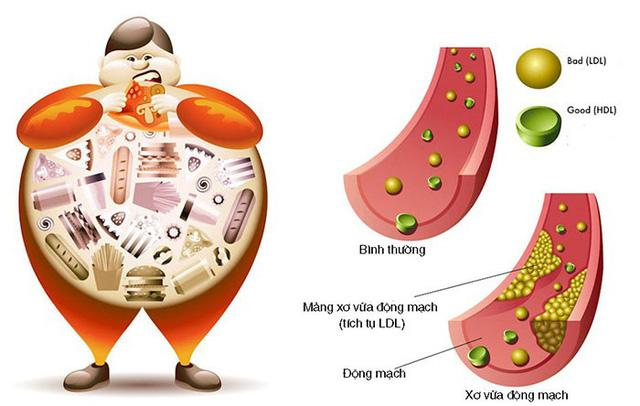
A general blood test is a basic but highly valuable medical tool for assessing overall health. Through blood indicators, many conditions such as anemia, diabetes, liver disease, cardiovascular disease, and kidney failure can be detected early. However, for accurate conclusions, it is necessary to combine this with clinical examination and additional tests as prescribed by a doctor. Proactive regular health check-ups are one of the most effective measures for preventing and controlling diseases.
Kidney disease and infections
Blood indicators such as creatinine and urea reflect the filtering function of the kidneys. When these levels are elevated, it may be a sign of impaired kidney function or chronic kidney disease. Additionally, blood tests can help detect infections through changes in white blood cell count or inflammatory markers. This assists doctors in diagnosing the cause and determining appropriate treatment.

The value of blood tests in early disease detection.
A general blood test is not the final diagnostic method, but it plays an important role in screening and early detection of abnormalities in the body. Based on the test results, doctors can order more in-depth diagnostic methods if necessary.
Regular testing, especially every 6 to 12 months, helps to proactively monitor health. This is particularly important for individuals with risk factors such as a family history of chronic disease, a sedentary lifestyle, or an unhealthy diet.
In conclusion
A general blood test is a basic but highly valuable medical tool for assessing overall health. Through blood indicators, many conditions such as anemia, diabetes, liver disease, cardiovascular disease, and kidney failure can be detected early. However, for accurate conclusions, it is necessary to combine this with clinical examination and additional tests as prescribed by a doctor. Proactive regular health check-ups are one of the most effective measures for preventing and controlling diseases.